



How Halal Certification Works in Pakistan for Meat Export
Halal certification is one of the most important requirements in the global meat trade, especially for countries in the Middle East and Muslim-majority regions. Pakistan, being an Islamic country, follows strict halal standards, making it a trusted source for halal meat export.
For importers, understanding how halal certification works in Pakistan is essential. Export companies like Aizea Exports ensure that all meat products are processed, certified, and delivered in full compliance with international halal requirements.
What is Halal Certification?
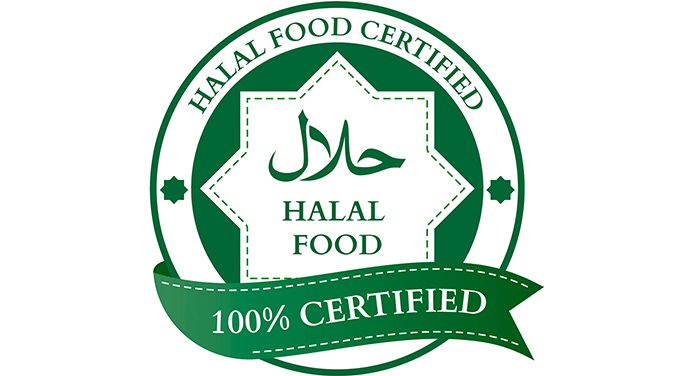
Halal certification confirms that meat products are prepared according to Islamic guidelines. This includes proper slaughtering methods, hygienic handling, and ensuring that no prohibited substances are involved during processing.
Certification is issued by authorized halal bodies that inspect and approve slaughterhouses and processing facilities.
Importance of Halal Certification in Export
Halal certification is mandatory for exporting meat to many countries, especially in the Middle East such as UAE, Qatar, Kuwait, and Saudi Arabia. Without proper certification, shipments may be rejected at the destination.
Certified halal products build trust among consumers and ensure compliance with religious and legal requirements.
Step 1: Approved Slaughtering Process
The halal certification process begins with proper slaughtering. Animals must be slaughtered by trained Muslim personnel while reciting the required prayer, following Islamic principles.
Slaughtering is carried out under hygienic conditions to ensure both religious compliance and food safety standards.
Step 2: Facility Inspection and Approval
Processing facilities must be inspected and approved by halal certification authorities. These inspections ensure:
- Clean and hygienic processing environment
- Proper handling of meat products
- No cross-contamination with non-halal items
- Compliance with food safety standards
Only certified facilities are allowed to process halal meat for export.
Step 3: Monitoring and Supervision
Halal certification is not a one-time process. Regular monitoring and supervision are conducted to ensure continuous compliance.
Supervisors check slaughtering methods, handling practices, and facility conditions to maintain certification standards.
Step 4: Issuance of Halal Certificate
Once all requirements are met, the halal authority issues a certificate confirming that the meat is halal. This certificate is included in export documentation.
Importers rely on this certificate to verify product authenticity and ensure smooth customs clearance.
Step 5: Export Documentation
Along with the halal certificate, exporters provide additional documents such as:
- Health Certificate
- Commercial Invoice
- Packing List
- Bill of Lading
These documents are required for legal export and import procedures.
Why Importers Trust Pakistan for Halal Meat
Pakistan has a strong reputation for halal compliance due to its Islamic foundation and established certification systems. Buyers prefer Pakistani exporters because of:
- Strict adherence to halal standards
- Certified processing facilities
- Reliable documentation
- Competitive pricing
- Consistent supply
Companies like Aizea Exports ensure that all these requirements are met, providing confidence to international buyers.
Conclusion
Halal certification plays a critical role in meat export from Pakistan. It ensures that products meet both religious and international standards, making them suitable for global markets.
For importers, working with a trusted exporter like Aizea Exports guarantees proper certification, quality assurance, and smooth export processes.
Tags
halal certification Pakistan, halal meat export process, halal meat exporter Pakistan, halal compliance Pakistan, Aizea Exports halal supplier, meat export Middle East





 Subscribe to receive fresh updates and market information.